


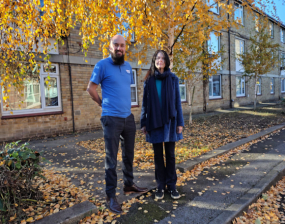
The Council and AgeUK York are urging residents to be aware of the type of scams they could find themselves facing.
Scams are often sent via phone, or computer or could end up on your doorstep, say the experts from AgeUK York and the Council’s trading standards and fraud teams.
Both organisations warn residents about scams which come via email, phone calls, texts, post. Always check the email addresses from which suspicious emails are sent, and any weblinks you’re asked to click. If they don’t end ‘gov.uk’ don’t act on them. No bank, council or reputable organisation will text or email an instruction to make instant payment.
They advise caution with unsolicited offers for pension or investments. Designed to look like genuine investments with professional-looking websites and documents, the returns can be non-existent, much lower than promised, or the product isn’t as described – or not real at all.
Residents offered or pressured into work or services or loans on the doorstep, are reminded to stop and check before signing up. While contracts should have a cooling off period, most rogue traders don’t offer that.
A growing type of fraud can cost more than heartbreak. Via dating apps, a relationship may start to blossom followed by requests for money – maybe to cover the cost of the journey to see you. But then they never arrive. Real affection doesn’t come at a price, so however tempted you may be, don’t hand over money.
Scams very often sound too good to be true. If you’re faced with something suspicious or an offer that doesn’t feel right:
- Get advice from the Citizens Advice consumer service 03454 04 05 06 who can provide advice, and pass details on to trading standards.
- Report scams or suspected scams to Action Fraud: 0300 123 2040 www.actionfraud.police.uk
- Tell a friend, neighbour or relative about any scams you find.
Cllr Jenny Kent, Executive Member with responsibility for Trading Standards at City of York Council, said:
“Recent scams we’ve been made aware of include emails claiming the recipient is due a Council Tax refund, and emails directing people to a fraudulent website to input their bank details. These have been sent at the weekend when it’s harder to contact us and check.
“We also know that fake QR codes have been put up in our car parks. Scammers have texted parking fines – something we never do – and fraudsters claiming to be council licensing officers have asked businesses to pay licence fees - usually for alcohol or premises.
"If something seems suspicious or appears too good to be true, please always take a moment and check before acting.”
Simon Holmes, Chief Executive of AgeUK York, said:
“Scams are a scourge in our society. City of York Council and AgeUK York are determined to tackle it together, alongside a wonderful array of organisations across York. Being scammed can happen to any of us and we recognise the distress and impact, both emotional as well as financial, that it can have.
“There are though, steps we can all take that can help us prevent it happening, not only for ourselves but in support of those around us. From not being pressured into doing anything you don’t want to, making checks, to asking the opinion of someone you trust. We also encourage you to please pass on advice to family and friends.
“You are not alone and there is support readily available. From advice to support if indeed you have been the victim of a scam please do get in touch.”
For more advice on your rights, or to report a suspect trader to Trading Standards, call the Citizens Advice Consumer Helpline on 0808 2231133, or visit www.citizensadvice.org.uk/scamsadvice.