


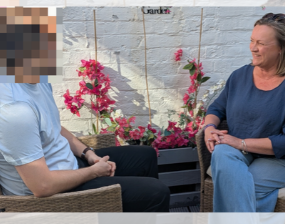
A 28-year-old York resident who spent 10 years addicted to ketamine is sharing his story during Ketamine Awareness Week in the hope that other young people will think twice before taking the drug.
He has chosen to remain anonymous but remembers first trying ketamine at the age of 18, shortly after moving away from home to start university.
What felt like a harmless decision on a night out soon became something much bigger.
Over the next 10 years, ketamine became part of his everyday life. During that time, he struggled with addiction, left university, lost jobs, experienced homelessness and battled with his mental health.
Looking back, he says he never imagined that a decision made during his first days away from home would shape the next decade of his life.
He said: "I wasn't a special case. I was a normal lad from a normal family. If it can happen to me, it can happen to anyone."
His story is being shared as part of Ketamine Awareness Week, a campaign led by City of York Council, North Yorkshire Council, North Yorkshire Police and local health and support services.
The campaign aims to help young people, parents and carers understand the risks of ketamine, spot the warning signs and know where to get help.
More young people are using ketamine than ever before.
National figures show ketamine use among young people rose by 231% between 2013 and 2024, while the number of young people seeking support for ketamine use has also risen remarkably.
Many people do not realise how harmful ketamine can be.
Ketamine can damage your bladder and kidneys. This can make going to the toilet painful and may mean you need the toilet much more often. It can also affect your memory, concentration and mental health. Some people develop severe stomach pains, while others become addicted and find it difficult to stop using the drug.
Health professionals warn that regular ketamine use can cause serious and sometimes permanent damage to the bladder and urinary tract. In some cases, it can also damage the kidneys and lead to long-term health problems.
Partners across York and North Yorkshire are concerned that many young people do not know how dangerous ketamine can be. Some people do not ask for help until their problems have become much more serious.
Throughout the week, partners will deliver activities aimed at young people, parents, carers, teachers and professionals, including:
- Free online ketamine awareness session on Thursday 22 October, 12pm – 1pm by Drink Drug Hub for professionals and members of the public to attend. Book a place at Drink Drug Hub.
- Ketamine training by Drink Drug Hub for local education providers to raise awareness and help support students.
- Ketamine resources distributed to local schools by North Yorkshire Police School Liaison Team educating about ketamine harms and local support services.
- A guide for young people about how to seek help available at NY Rise
- A guide for GPs about how to support young people available on Drink Drug Hub.
- Ketamine awareness stands at York Hospital, York College, York St John University, and University of York
In the case of the now 28-year-old York resident, the impact of ketamine use went far beyond his own life.
He speaks openly about the strain addiction placed on the people closest to him, saying:
"I really broke my parents."
After years of addiction, he finally got help and began his recovery journey. Today, he is rebuilding his life, reconnecting with loved ones and looking forward to the future.
His message to young people is clear:
"Drugs can make you feel on top of the world. But they can also take you to the bottom of it. You're not invincible."
And when asked what advice he would give to others, he added:
"Talk about your problems. If you need help, ask for it. You might think you're protecting people by keeping things to yourself, but you're not alone."
He wants young people to know that addiction can happen to anyone. It does not matter who you are, where you come from or what your plans are for the future.
The campaign aims to raise awareness of the dangers linked to ketamine, challenge the belief that it is a low-risk drug and encourage people to ask for help as early as possible.
Cllr Lucy Steels-Walshaw, Executive Member for Health, Wellbeing and Adult Social Care at City of York Council, said:
"This story shows that addiction can affect anyone. What started as trying ketamine at 18, went on to affect this young man's health, education, work and family life.
"That is why Ketamine Awareness Week is so important. We want young people to understand the risks, parents and carers to feel confident talking about ketamine and everyone to know where they can get help.
"Most importantly, this story shows that recovery is possible and support is available."
North Yorkshire Council’s executive member for health and adult services, Cllr Michael Harrison, said:
“Ketamine addiction can have a devastating impact on people’s lives and this young man’s experience is a powerful reminder that addiction can affect anyone and speaking about recovery can help reduce stigma and encourage others to seek support.
“We would like people in North Yorkshire who are struggling with ketamine or other substances to know they are not alone. Our North Yorkshire Rise service provides free, friendly and confidential outreach to young people across the county who need support with or information about drug and alcohol use.”
North Yorkshire Rise Lead Practitioner, Faye Charlesworth, said:
“If you’re a young person in North Yorkshire and you’re concerned about your ketamine use, reach out to NY Rise. You don’t have to want to stop right away — even if you just want to chat, we’re here to listen, not judge, and help you get the support you need.”
A spokesperson for York Drug and Alcohol Service (Change Grow Live) said:
“Ketamine use among young people is a growing concern, and we are proud to support Ketamine Awareness Week. Too often, we see people and families affected by the harmful impact of ketamine before they realise how serious the risks can be.
By raising awareness, encouraging open conversations and helping people recognise the signs early, we hope more individuals will seek support before problems escalate.
“At Change Grow Live, we provide free, confidential and non-judgemental support for anyone concerned about their own drug use, as well as advice and guidance for parents, carers and family members. For more information please contact Info - York Drug and Alcohol Service | Change Grow Live or call 01904 464680.”
Temporary Assistant Chief Constable Fiona Willey, from North Yorkshire Police, said:
"North Yorkshire Police is committed to both pursuing drug dealers and organised crime gangs and preventing the harm caused by illegal drugs.
“This includes ensuring people receive the help and support they need to stay safe and we support the health-based, harm-reduction efforts highlighted during Ketamine Awareness Week.
“Local and national intelligence assessments indicate that ketamine is an increasingly concerning issue, and that the health impacts on users can be life-changing and even life-threatening.
"Our message is simple: no one should be afraid to ask for help. Protecting people and reducing harm is a responsibility we all share, and we will continue to work alongside our partners in York and North Yorkshire to ensure that support is available for those who need it."
One conversation could change a life.
If you are worried about your own drug use, or worried about a friend or family member, help is available.
Talking about a problem early can stop it from getting worse.
Support is available before things reach crisis point.
Where to get help
- York Drug and Alcohol Service (Change Grow Live) 01904 464680
- yorksms.info@cgl.org.uk https://www.changegrowlive.org/service/york-drug-alcohol/info
- Free and confidential support for adults affected by drugs or alcohol in York.
- The Gate (Change Grow Live) The Gate - York | Change Grow Live Free and confidential support for children and young people affected by drugs or alcohol in York.
- North Yorkshire Horizons 08000 14 14 80 https://nyhorizons.org.uk/get-help/
- Free, confidential support for adults affected by drugs or alcohol across North Yorkshire.
- NY Rise 08000 14 14 80 (option 2) Refer Someone Or Yourself For Help - NY Rise Free, confidential support for children and young people affected by drugs or alcohol across North Yorkshire.
- FRANK 0300 123 6600 https://www.talktofrank.com Confidential information and advice about drugs for young people, parents and carers.
- York in Recovery 07767 132696 drop-ins at Wellington Row, York. York In Recovery CIC - Home
- Drink Drug Hub for information and free online awareness sessions Providing Information & Support for Drink & Drugs - Drink Drug Hub
Reporting drug dealing activity to the police:
- Anyone with any information about suspected drug dealing, please make a report via the North Yorkshire Police website or by calling 101.
- Always dial 999 if an emergency response is required.
- If you would prefer to remain anonymous, please call Crimestoppers on 0800 555 111 or make a report online at www.crimestoppers-uk.org